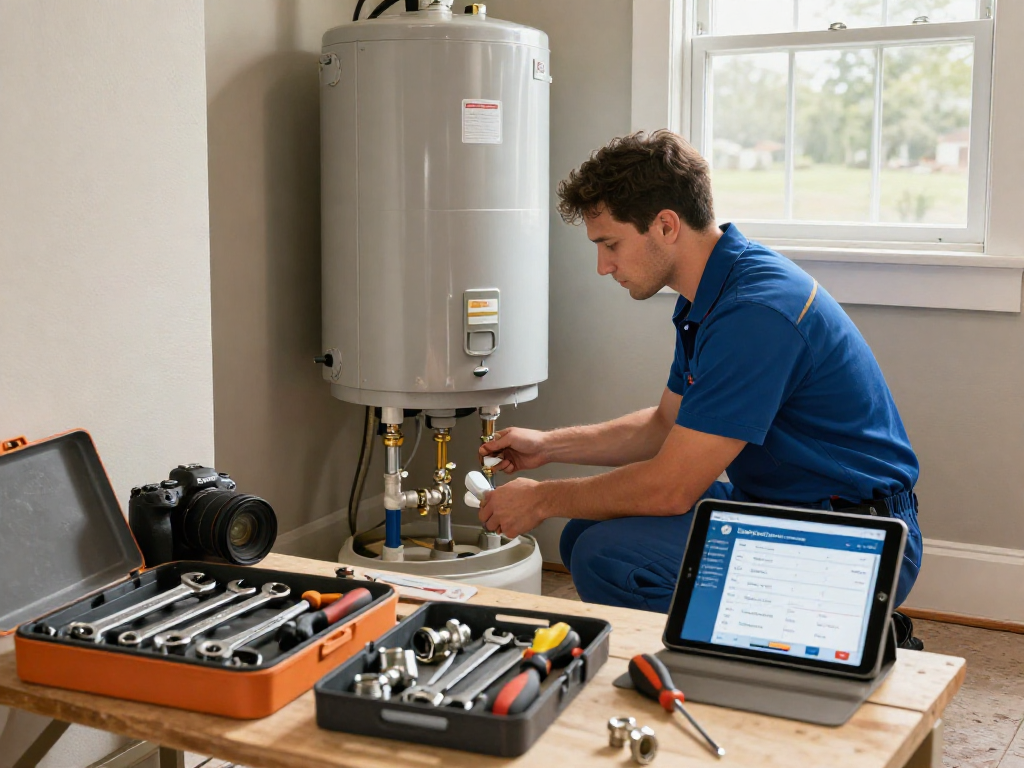
Understanding Water Heater Replacement Needs in Fort Worth
Homeowners in Fort Worth are often faced with the critical decision of whether to repair or replace their water heaters. Water heaters play a pivotal role in ensuring the comfort and convenience of daily activities such as bathing, cooking, and cleaning. Understanding the signs that your water heater may require replacement is essential for maintaining efficient home plumbing systems. When exploring options, water heater replacement Fort Worth provides comprehensive insights into the various types, costs, and processes involved in upgrading your heating system.
Identifying Signs Your Water Heater Needs Replacement
Recognizing the signs that your water heater may need replacement can save you from unexpected cold showers and larger issues down the road. Here are some key indicators:
- Age: Most traditional water heaters have a lifespan of 8-12 years. If your unit is nearing this age, it may be time to consider a replacement.
- Rusty Water: If the hot water appears rusty, this may indicate corrosion inside the tank, suggesting that a replacement is needed.
- Leaks: Visible leaks around the base of the heater can mean that the tank is failing.
- Noisy Operation: Sounds such as popping or rumbling can signify sediment buildup, which may lead to damage and require replacement.
- Inconsistent Water Temperature: Fluctuations in water temperature can be a sign that your heater is failing to perform properly.
Common Problems Leading to Water Heater Replacement
Several issues can prompt homeowners to replace their water heaters instead of repairing them. Common problems include:
- Cumulative Damage: Age-related wear and tear can lead to numerous issues, making replacements more cost-effective.
- Severe Corrosion: As tanks corrode, they face a higher likelihood of complete failure, making replacement a safer option.
- Frequent Repairs: If your water heater requires multiple repairs within a few years, it may be more economical to replace it.
Cost Considerations for Water Heater Replacement
The cost of replacing a water heater can vary significantly based on several factors, including the type of heater, capacity, labor costs, and any additional plumbing work needed. Homeowners should consider:
- Type of Heater: Traditional tank heaters are generally less expensive than tankless models, which offer on-demand heating.
- Energy Efficiency: While energy-efficient models may cost more upfront, they can lead to long-term savings on utility bills.
- Installation Costs: Labor costs can vary by contractor and locality, so it’s wise to obtain multiple quotes.
Choosing the Right Type of Water Heater for Your Home
When deciding to replace your water heater, understanding the options available is crucial. This decision impacts your home’s functionality and energy efficiency.
Comparing Tank and Tankless Water Heaters
Water heaters generally fall into two categories: tank and tankless. Each type has unique features:
- Tank Water Heaters: These traditional units store a large volume of hot water, making them ideal for high-demand households. However, they can take up more space and may incur higher energy costs due to standby heat loss.
- Tankless Water Heaters: These modern systems heat water on demand, providing endless hot water while being more energy efficient. They are compact and can be installed in smaller areas, though their initial cost can be higher.
Energy Efficiency Ratings and Their Importance
When selecting a new water heater, energy efficiency ratings, such as the Energy Factor (EF) or the newer Uniform Energy Factor (UEF), should be carefully considered. Higher efficiency ratings indicate lower operating costs and can result in substantial savings over time.
Assessing Capacity Needs for Your Household
Choosing the right capacity is critical to ensure your household has enough hot water. Factors to assess include:
- Household Size: Larger families will require higher capacity units.
- Peak Usage Times: Consider when your household uses the most hot water to avoid shortages.
The Water Heater Replacement Process
Replacing your water heater involves several steps that ensure a smooth transition to your new system.
Step-by-Step Guide to Replacing Your Water Heater
The replacement process typically follows these steps:
- Assessment: A qualified technician will assess the current system and recommend options.
- Selection: Choose the right type and size of water heater based on your needs.
- Permits: Ensure any necessary permits are obtained according to local regulations.
- Removal: Safely disconnect and remove the old unit.
- Installation: Install the new water heater, ensuring all safety codes are met.
- Testing: Test the system for leaks and proper functionality.
Permits and Regulations in Fort Worth
In Fort Worth, certain plumbing permits may be required for the installation of new water heaters, particularly for gas units. It is essential to consult with local regulations and your contractor to ensure compliance for a hassle-free installation.
Preparing Your Home for the Replacement
Prior to the technician’s arrival, homeowners should prepare their home by:
- Clearing the area around the water heater.
- Ensuring easy access to the necessary power and water lines.
- Turning off the water supply and power to the existing unit, if applicable.
Emergency Plumbing Services and Water Heater Solutions
Plumbing emergencies can occur at any moment, making it essential to have a trusted plumbing service for immediate assistance.
How to Handle Major Plumbing Emergencies
In the event of a plumbing emergency, such as a significant leak or a broken water heater, follow these steps:
- Shut Off Water Supply: If safe to do so, turn off the nearest water valve or the main water supply.
- Evacuate: Keep people away from standing water, especially near electrical equipment.
- Contact Professionals: Call a certified plumber immediately for assistance.
When to Call a Professional for Water Heater Issues
Homeowners should reach out to a professional plumber for issues such as:
- Persistent leaks.
- Unusual noises coming from the unit.
- Water temperature inconsistencies.
24-Hour Plumbing Assistance in Fort Worth
Having access to 24-hour plumbing services is invaluable for Fort Worth homeowners. Emergency plumbing assistance ensures that critical issues are addressed promptly, minimizing potential damage and restoring comfortable living conditions.
Future Trends in Water Heating Technology
The landscape of water heating technology is constantly evolving, bringing innovative solutions to homeowners.
Innovations in Water Heater Efficiency by 2026
Advancements in technology are leading to more energy-efficient models. Expect to see increased integration of smart technology to monitor usage patterns and optimize performance.
Smart Water Heater Systems and Home Automation
Smart water heating systems can now integrate with home automation systems, allowing homeowners to control water temperature and monitor energy usage through mobile applications. This added convenience promotes energy efficiency and cost savings.
Environmental Considerations in Water Heater Choices
As awareness of environmental issues grows, homeowners are increasingly opting for eco-friendly options like tankless water heaters and solar-powered systems. These solutions not only reduce energy consumption but also lower overall carbon footprints.
What are the signs I need a water heater replacement?
Common signs include leaks, inconsistent water temperature, rusty water, and age over 8-12 years.
How much does water heater replacement cost in Fort Worth?
Costs can range from $800 to $3,000, depending on the type of water heater, installation complexity, and any additional plumbing work.
What types of water heaters are available for replacement?
Options include traditional tank water heaters, tankless units, hybrid models, and solar-powered systems.
How long does a typical water heater installation take?
Installation usually takes 2-4 hours, depending on the complexity and type of unit being installed.
Are there energy-efficient options for water heaters?
Yes, many modern water heaters offer energy-efficient options, including tankless models that heat water on demand and hybrid systems that utilize electric and gas sources.